The 60-Minute Sunday Reset: Meal Prep That Actually Fits Real Life
We’ve covered why fuelling enough matters and what a solid lunch looks like in this short series. This final piece is making it happen consistently without spending your whole weekend in the kitchen.
Why Most Meal Prep Advice Doesn’t Work
If you have ever watched a meal prep video that leaves you feeling both completely inspired and exhausted at the same time, you’ll know where I’m coming from. Rows of identical containers filled with an ingredients list as long as your arm. This is not that. I want to suggest something a little more simple, flexible and far more sustainable. It’s not about cooking every meal in advance. It’s about reducing those difficult moments where good fuelling is likely to slip, and doing it in under an hour per week.
The Mindset Shift – components, not meals
The single most useful way to look at meal prep is this: you’re not cooking meals ahead of time, you’re stocking up your building blocks. A batch of cooked chicken breast isn’t the same meal for lunch for the next 4 days. It’s a protein source that can go in a rice bowl, a wrap, a pasta dish, or a salad depending on what you feel like. A pot of cooked rice isn’t a meal — it’s the carbohydrate component of whatever you decide to build. Roasted vegetables on a Sunday aren’t destined for specific dishes — they’re available, and that’s what matters.
This approach does two things. It maintains variety, so you’re not eating the same container of food every day for a week. And it keeps prep time short, because you’re cooking fewer things from scratch throughout the week rather than cooking everything in one long session upfront. Once you start thinking in these components rather than meals, the whole thing becomes much more manageable.
What to Prioritise in 60 Minutes
Not all prep is equal. Some items will give you a much bigger return for the time you spend. Knowing which items to prioritise will save you time and effort.
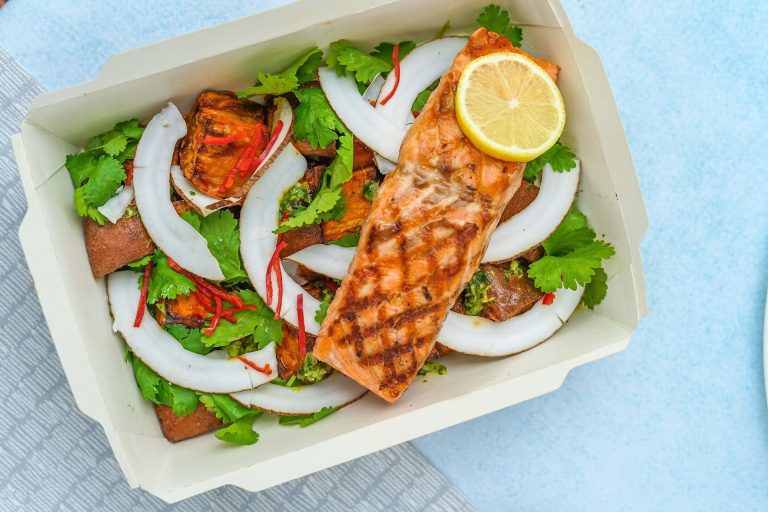
- Must-do (these give the biggest return): Protein batching — cook 3–4 portions of a protein source (chicken, hard-boiled eggs, beef mince, salmon, tofu etc). This will do more for you than anything else if you only have a few minutes. Cook a grain or complex carb to go with it if you can (rice, quinoa, pasta, sweet potato)
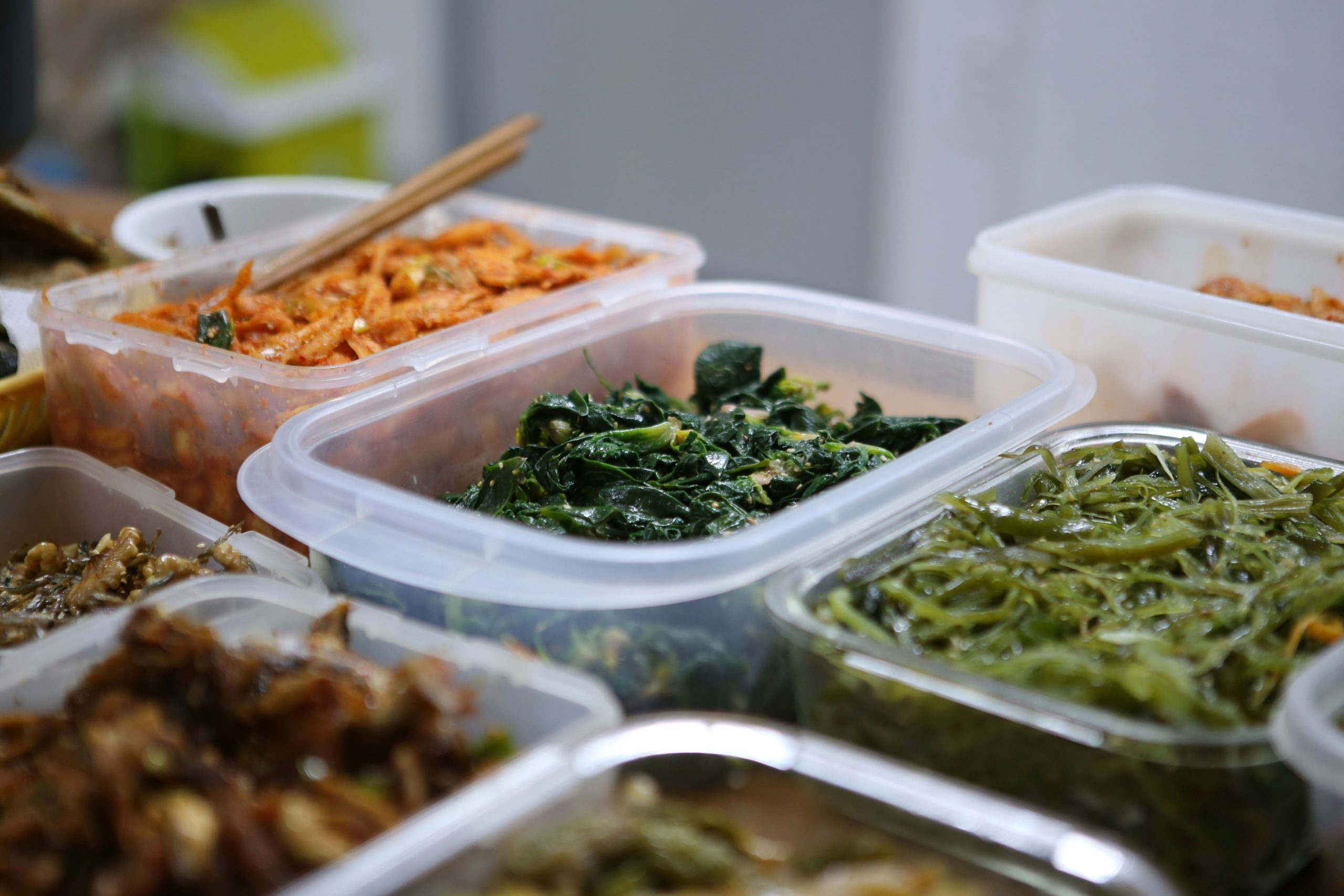
- Good to do: roast a tray of vegetables; wash and chop your salad items; portion out some snacks (Greek yogurt, nuts). These are quick and add little time to your prep session, but make putting a quick meal together almost effortless.
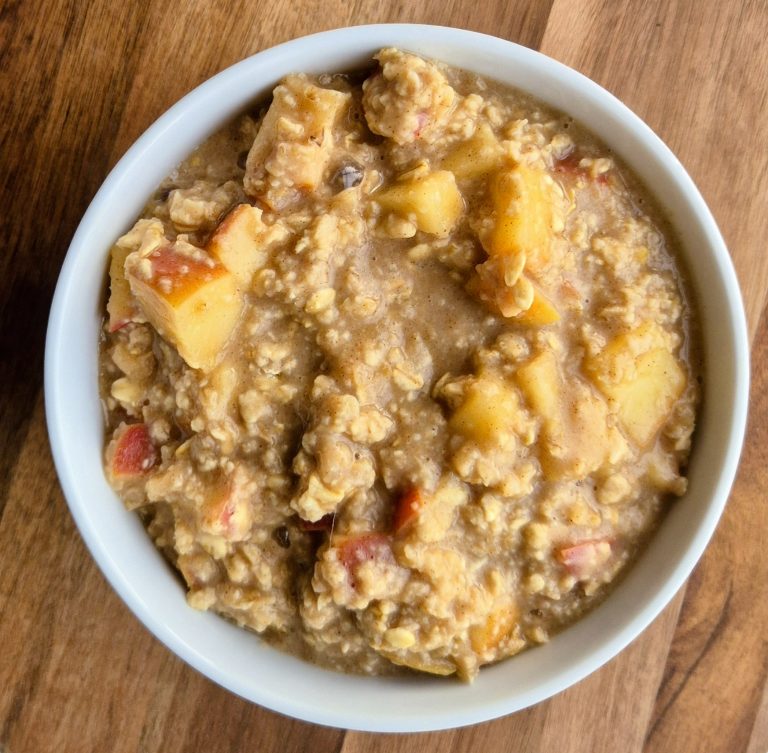
- Nice to do if time allows: make a sauce or dressing for your salad; prep overnight oats or another breakfast option
You don’t need to do all of this every week. On a good week you might get through most of it. On a busy week, just getting the protein batch and the grains done is genuinely enough to make a difference.
A Real 60 Minute Prep Session
Here’s what this actually looks like in practice, with some rough timings:
0–5 minutes: Preheat the oven. Season chicken (or whatever protein you’re using) and get them into a roasting tin. Put rice or grains on to cook. If you have an air fryer you can often speed this up even further!
5–15 minutes: Chop vegetables for roasting — this is the most active bit. Toss in olive oil and seasoning, into the oven/air fryer alongside or after the chicken depending on your timings.
15–25 minutes: While things are cooking, do the lower-effort tasks. Portion out snacks. Wash salad leaves. Make a dressing. Prep overnight oats if you’re doing them.
25–50 minutes: Mostly hands-off. Tidy the kitchen, have a coffee, do something else entirely. Check on things once or twice.
50–60 minutes: Everything comes out, cools briefly, goes into containers. Label if you need to. Into the fridge.
Total active time: roughly 25 minutes. The rest is just waiting. That’s a genuinely manageable ask for a Sunday — or a Saturday morning, or a Monday evening if weekends don’t work for you. The day doesn’t matter, the habit does.
Connecting it to the rest of the week
One prep session won’t carry you through a full seven days, and it doesn’t need to. The goal is to cover the highest-pressure days — usually Monday to Wednesday when the week is busiest — and then do a small midweek refresh to carry you through to the weekend. (If your working week isn’t a traditional Monday to Friday, play around with where it fits best until you find a schedule that works for you.)
That midweek reset might look like 15 minutes on an evening: cook a fresh protein if the first batch has run out, boil some eggs, chop a few things. It’s just maintenance — and it makes a significant difference to how the back half of the week goes.
The other thing worth saying is that this doesn’t need to be perfect to be worth doing. A partial prep — just the protein, or just the grains — is still better than starting every day from zero. The weeks where it comes together fully are great. The weeks where you manage half of it are still good weeks. The only week that doesn’t work is the one where you decide it’s all or nothing and end up doing nothing.
Putting the Series Together
Over this series, the picture is hopefully a little clearer: eating enough as an active woman isn’t complicated, but it does require a bit of intention. Understanding why it matters, having a repeatable structure at key meals, and doing a small amount of preparation that keeps good options accessible — that’s really all it takes.
None of it requires perfection. It requires consistency, and consistency is a lot easier when the friction has been removed.
If you’ve found this series useful, start with whichever piece felt most relevant to where you are right now. For some people that’s the big picture of energy availability. For others it’s the lunch formula, or the Sunday prep session. Any one of them, done consistently, will move the needle — and they work even better together.
Find the rest of the series below
-
Simple High Protein Breakfast Recipes
We’ve all heard it before – breakfast is the most important meal of the day right? Honestly, I’m sure plenty of people would argue that’s up for debate (intermittent fasters I’m looking at you!) but to me, a good breakfast is integral to setting me up for the day ahead and has become an essential…
-
The Lunch Formula That Hits 30g of Protein Without Thinking About It
This article is part two in a series on fuelling foundations. We cover how to build a satiating lunch formula that hits 30g of protein every day without thinking about it.