
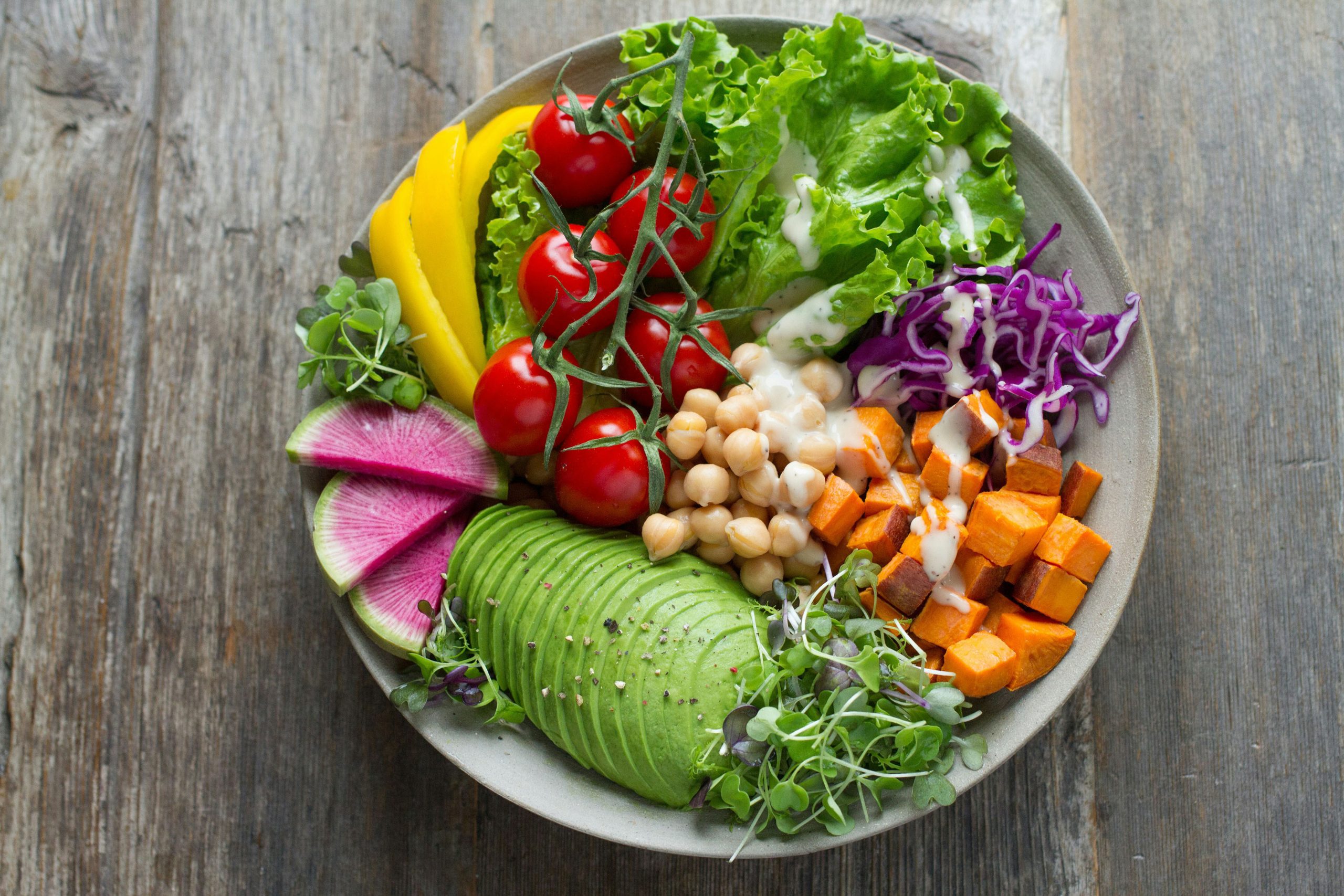
How to Build Repeatable Meals for a Balanced, Sustainable Lifestyle
Most diets fail for the same reason other health plans do – they rely on motivation, variety and intensity that’s hard to maintain. When every meal requires planning, tracking and creativity, eating well starts to feel like you’ve taken on another job. And when life gets busy it’s the first thing that slips. Taking a balanced approach to nutrition doesn’t have to be perfect. It just has to be repeatable.
Why Repetition Works
Repetition works mainly by reducing decision fatigue. No more staring at the fridge after a long day, wondering what to cook. No more complicated recipes or weekend-long meal prep sessions.
Behavioural research shows that lowering the cognitive load (how hard your brain has to work) consistently improves the chances of you following through. The less you have to think about it, the more likely you are to actually do it. Repetition isn’t restrictive – it’s strategic. You’re not eating the same things every day. You’re working from a good structure that makes good choices the easy ones.
What Makes a Balanced Meal Repeatable
Repeatable meals don’t have to be complicated, they just need to tick a few boxes:
- Takes under 20 minutes to make , or can be prepped in advance for quick assembly
- Uses mostly whole food ingredients
- Contains a source of protein, complex carbohydrates, healthy fats and fibre
The key is flexibility. The structure stays the same but the details can change:
- Swap chicken for fish or tofu
- Swap pasta for potatoes or rice
- Change vegetables based on what is in season or whatever you have in the fridge
- Adjust your portion sizes depending on your hunger levels, macronutrient goals or training load
It’s the same framework with adjustable ingredients. That’s the whole idea.
Three Meal Framework
Rather than a complicated meal prep plan that takes up hours of your weekend, build these core meal templates you can rely on.
A Solid Breakfast
Aim for a source of protein, some fibre and slow-release carbohydrates for a combination that gives you steady energy throughout the morning.
- Greek or Skyr yoghurt with berries and seeds
- Sourdough toast with eggs and wilted spinach and a piece of fruit
- Oats with protein powder, fruit and a drizzle of nut butter
Breakfast is where people often cut corners and then wonder why they are ravenous by 11am. A solid start will keep your energy balanced throughout the day and make your subsequent meals continue to keep your satiety levels high.
A Structured Lunch
Aim for protein, a starch and some vegetables. Keep it simple, filling and easily portable if it needs to travel to work with you.
- Grilled chicken, salad leaves and hummus in a wholemeal wrap
- Salmon and rice bowl with roasted vegetables
- Tuna pasta salad
Lunch is often where people underrate, speed eat or lose structure entirely. If you are taking meals to work, a good set of leakproof containers are an excellent investment. Avoid eating at your desk while you work if possible. Take some time to focus on your meal and enjoy the flavours and textures fully.
A Satisfying Dinner
Aim for protein, plenty of vegetables and a satiating carbohydrate. Dinner should feel like enough to get you through until bedtime – if you have balanced your earlier meals it should reduce the urge to late-night snack.
- Lean beef mince bolognese or chilli loaded with vegetables, pasta, brown rice or sweet potato
- Tofu stir fry with brown rice and greens
- White fish with baby new potatoes and roasted vegetables
When to Adjust
A repeatable routine doesn’t mean a rigid one. There will be times when adjustments are needed:
- Adjust your portion sizes during high-volume training weeks
- Add snacks for pre and post workout fuelling
- Simplify down to only the base ingredients for particularly busy weeks
- Prioritise easily digestible foods when stress levels are high
Simple Starting Point
You don’t need to overhaul everything all at once. Start with these simple steps:
- Choose three meals you already enjoy and know how to make
- Simplify each one to suit your schedule
- Add a source of protein or fibre if they don’t already have enough
- Prep what you can in advance – chop your vegetables or buy frozen pre-chopped ones, pre-cook your grains or portion out ingredients to make assembly quick during the week
- Repeat for two weeks and notice how much easier it becomes – assess if there are any tweaks you can make to streamline even further
You don’t need to meal prep every Sunday, but small amounts of preparation go a long way.
Balance isn’t built through restricting or extreme diets, it’s built on simple easily repeatable habits. Three meals, minimal decisions. Steady energy levels. Once your base is in place you can refine from there – more protein to support muscle growth, more carbohydrates to fuel long run days. But none of that matters until you build the strong foundations. Start simple. Be consistent and build from there.
Disclaimer: The nutritional guidance in this post is for informational purposes only and is not a substitute for advice from a qualified nutritionist or dietitian.